
Ryokan in Malaysia offers a fascinating blend of traditional Japanese hospitality and Malaysian charm, creating a unique escape for travelers. Originating from Japan, ryokan are traditional inns that emphasize comfort, cultural heritage, and personalized service. In Malaysia, this concept has beautifully adapted, combining local influences to provide guests with an authentic yet diverse experience.
With stunning architecture, warm hospitality, and delightful local cuisine, ryokan in Malaysia not only reflect the essence of Japanese culture but also showcase the rich multicultural tapestry of the region. Visitors can expect to immerse themselves in serene surroundings while enjoying the best of both worlds—Japanese and Malaysian traditions.
Introduction to Ryokan
Ryokan are traditional Japanese inns that provide a unique cultural experience, deeply rooted in Japan’s history and hospitality practices. These accommodations often showcase the elegance of Japanese aesthetics and customs, presenting an opportunity for guests to immerse themselves in the local culture. A stay at a ryokan typically includes not only lodging but also meals featuring seasonal ingredients, often served in a kaiseki style that reflects meticulous preparation and presentation.
The origins of ryokan can be traced back to the Edo period (1603-1868), when travelers began to seek rest and food along the routes connecting major cities. Initially, these inns catered primarily to merchant traders and samurai, evolving from simple lodgings to establishments that emphasized traditional Japanese hospitality, known as “omotenashi.” Over the years, ryokan have adapted to modern expectations while maintaining their cultural significance, often featuring tatami-matted rooms, futon bedding, and communal baths, which create a serene and authentic atmosphere for guests.
Typical Features and Amenities of Ryokan
Ryokan are characterized by several distinctive features and amenities that contribute to the overall experience of staying in one. These aspects are essential for understanding the unique offerings of ryokan compared to other types of accommodations. Some of the key features include:
- Tatami Rooms: Traditional rooms are furnished with tatami mats made of rice straw, providing an authentic Japanese aesthetic. Guests often sleep on futons that are laid out on the tatami, enhancing comfort and cultural immersion.
- Onsen or Public Baths: Many ryokan feature onsen (hot springs) or communal baths, which allow guests to relax and unwind in mineral-rich waters. This aspect of ryokan is crucial for promoting wellness and rejuvenation.
- Kaiseki Cuisine: Guests typically enjoy kaiseki meals, a multi-course dining experience that emphasizes seasonal and local ingredients. This culinary art form reflects the beauty and flavors of Japan and is often served in a private dining setting.
- Outdoor Spaces: Many ryokan are set in scenic locations, offering gardens, riverside views, or mountain backdrops. These outdoor spaces are designed to enhance the tranquility and natural beauty of the environment.
- Personalized Service: High levels of hospitality and personalized service are hallmarks of ryokan. Staff members are trained to anticipate the needs of guests, ensuring a memorable and attentive experience.
“Staying at a ryokan is not just about accommodation; it’s an experience that embodies the essence of Japanese culture and hospitality.”
Ryokan in Malaysia
Ryokans are traditional Japanese inns known for their unique hospitality, aesthetic simplicity, and deep-rooted cultural significance. In Malaysia, the ryokan concept has been adapted to provide a blend of comfort, cultural immersion, and local charm, creating an intriguing experience for both locals and tourists. This adaptation showcases the bespoke traits of Malaysian culture while honoring the essence of traditional ryokan hospitality.The emergence of ryokans in Malaysia reflects the country’s rich tapestry of cultures and influences.
While the core principles of ryokan remain, they have been tailored to suit the Malaysian context through local architecture, cuisine, and hospitality practices. This results in distinct establishments that offer a uniquely Malaysian take on the ryokan experience.
Notable Ryokan in Malaysia
Several ryokans across Malaysia stand out due to their unique attributes, blending traditional Japanese elements with local culture. Here are some of the most notable ones:
- Orenja Ryokan
-Located in Penang, this ryokan offers a minimalist decor that echoes traditional Japanese aesthetics while incorporating local art and crafts, creating a serene ambiance for guests. - Yasuragi Ryokan
-Situated in the lush hills of Genting Highlands, Yasuragi features traditional tatami mat rooms and on-site hot spring baths, providing a tranquil retreat with stunning views of the surrounding nature. - Ryoanji Ryokan
-Nestled in the heart of Kuala Lumpur, this establishment combines modern comforts with Japanese-style hospitality, including kaiseki meals prepared with fresh local ingredients.
These establishments not only provide a place to stay but also immerse guests in a culturally enriching experience that highlights both Japanese and Malaysian traditions.
Cultural Fusion in Malaysian Ryokan Experiences
The cultural fusion found within Malaysian ryokan experiences is a vibrant testament to the country’s multicultural landscape. This fusion is evident in several ways:
- Architectural Design
-Many ryokans in Malaysia incorporate local building materials and styles, such as wooden structures with intricate carvings, which reflect the indigenous Malay design while maintaining Japanese influences. - Culinary Offerings
-Ryokans often serve meals that blend Japanese kaiseki with Malaysian flavors, presenting dishes like sushi with local seafood or rice served alongside rendang, offering guests a delightful culinary journey. - Hospitality Practices
-The warm and welcoming nature of Malaysian hospitality is seamlessly integrated into the ryokan experience, where staff often go above and beyond to ensure guests feel at home, reminiscent of traditional ryokan service.
In essence, the fusion of cultures within Malaysian ryokans creates a unique hospitality experience that honors the essence of both Japanese and Malaysian traditions, resulting in a memorable stay for everyone who visits.
Experience at a Ryokan: Ryokan In Malaysia
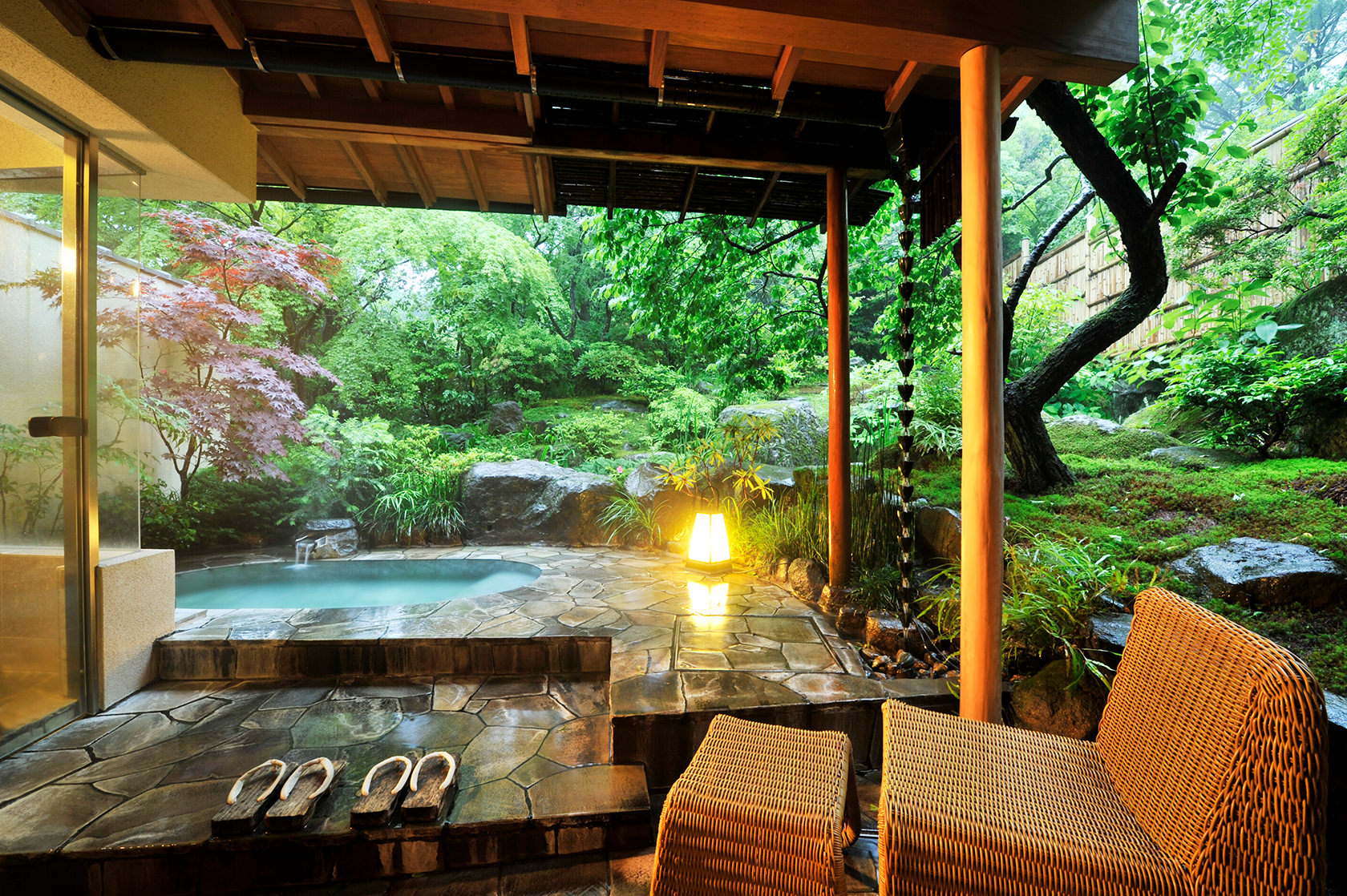
Staying at a ryokan is more than just a place to sleep; it’s an immersive journey into Japanese culture and hospitality. Guests can expect a unique blend of comfort, tradition, and personalized service that makes each visit special. The experience encompasses not just the accommodations but also the meals and activities that contribute to the overall atmosphere of tranquility and warmth.One of the highlights of the ryokan experience is the traditional meals, often referred to as kaiseki, which is a multi-course dining experience featuring seasonal ingredients and beautiful presentation.
These meals are prepared with great care and attention to detail, reflecting the artistry of Japanese cuisine. Furthermore, staying at a ryokan often includes various activities that enhance the experience, such as soaking in an onsen (hot spring) or participating in tea ceremonies, both of which allow guests to further connect with Japanese traditions.
Meals and Activities
The meals served at a ryokan are a significant part of the guest experience. Each dish is crafted to showcase the flavors of the region and the season. Guests can expect to enjoy dishes such as:
- Sashimi: Fresh slices of raw fish served with soy sauce and wasabi.
- Tempura: Lightly battered and deep-fried vegetables or seafood, known for their crisp texture.
- Grilled Fish: Often a local catch, grilled to perfection and served with rice.
- Pickled Vegetables: A variety of seasonal vegetables preserved in vinegar, providing a refreshing contrast to the meal.
- Matcha: A traditional powdered green tea often served at the end of meals or during tea ceremonies.
Beyond dining, guests can engage in several activities that enrich their stay. Many ryokans offer:
- Onsen Access: Enjoying natural hot springs in a serene setting is a highlight of the ryokan experience.
- Tea Ceremony Participation: Guests can learn about the art of tea making and its cultural significance.
- Calligraphy or Ikebana Classes: Some ryokans provide workshops to explore traditional Japanese arts.
The importance of hospitality and service in the ryokan experience cannot be overstated. The staff, often dressed in traditional attire, are trained to provide attentive and personalized service, ensuring that every guest feels welcome and cared for. This level of hospitality, known as “omotenashi,” reflects a deep-rooted cultural principle of anticipating guests’ needs and exceeding their expectations.
“Omotenashi is not just about service; it’s a way of thinking, demonstrating respect and care for each guest.”
In essence, the experience at a ryokan combines exquisite cuisine, engaging activities, and exceptional hospitality, creating a memorable getaway that allows guests to truly appreciate the beauty of Japanese culture.
Comparison with Traditional Hotels
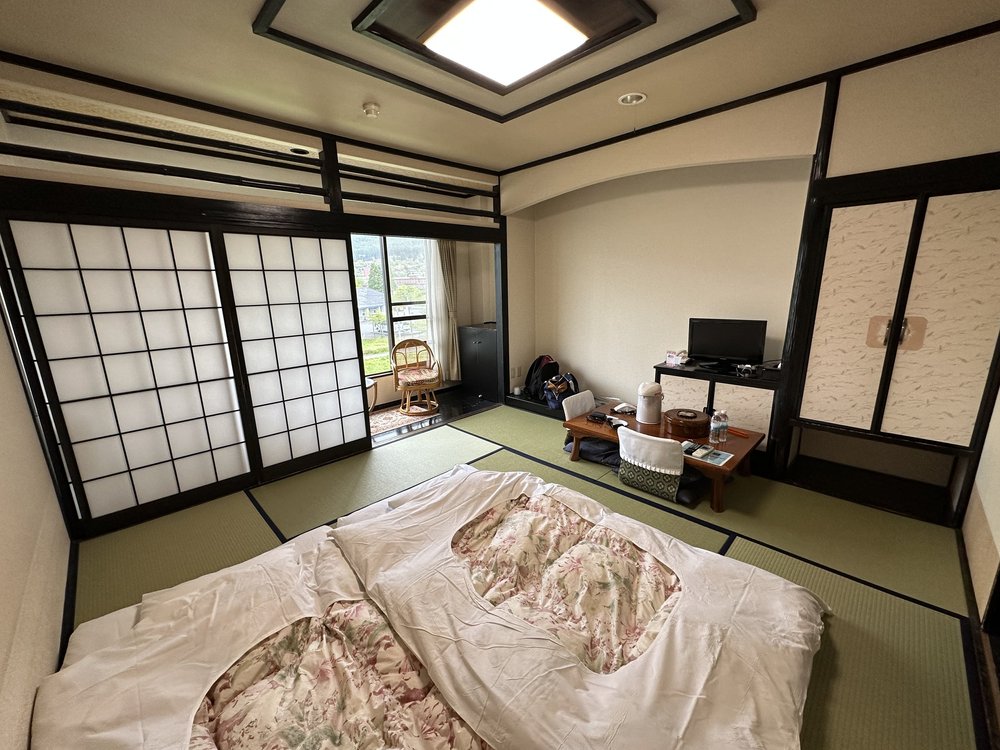
When it comes to choosing accommodation, travelers often weigh their options between ryokan and traditional hotels. Ryokan offer a distinctive experience steeped in Japanese culture, while hotels provide a more familiar environment for many. Understanding the differences between these two types of lodging can help travelers make informed decisions that align with their preferences.One of the key aspects that sets ryokan apart from traditional hotels is the level of service and the ambiance they offer.
Ryokan typically feature personalized service, where staff members often go above and beyond to cater to guests’ needs. The atmosphere is intimate and serene, with traditional tatami flooring, sliding shoji doors, and futon bedding, creating a unique sense of tranquility. In contrast, conventional hotels might prioritize efficiency and standardized service, which can sometimes feel more corporate and less personal.
Differences in Pricing and Value
When analyzing pricing, it’s essential to consider what each accommodation type offers in terms of value. Ryokan are often perceived as being pricier than standard hotels, but this expense can be justified by the unique experiences they deliver. For instance, many ryokan include meals, such as kaiseki dining, which showcase exquisite, multi-course meals prepared with seasonal ingredients.To illustrate the pricing differences, here’s a brief comparison of the typical offerings:
| Feature | Ryokan | Traditional Hotels |
|---|---|---|
| Average Cost Per Night | RM 400 – RM 800 | RM 200 – RM 600 |
| Meals Included | Yes, often breakfast and dinner | Usually not included |
| Unique Cultural Experience | Yes | No |
| Personalized Service | High | Moderate to High |
This comparison highlights that while ryokan may have a higher initial cost, the inclusion of meals and the authentic cultural experience can offer a greater value to travelers seeking something beyond just a place to sleep.
“Choosing a ryokan means investing in an experience rather than just accommodation.”
Unique Selling Points of Ryokan
Ryokan offer several unique selling points that can attract travelers over traditional hotels. One of the most appealing factors is the immersive cultural experience. Guests have the opportunity to wear yukata (Japanese robes), partake in tea ceremonies, and enjoy hot springs (onsen) that may not be accessible at conventional hotels.Additionally, the tranquil environment and traditional architecture create a relaxing escape from the everyday hustle.
The attention to detail in service and the artful presentation of food enhance the overall stay. For many visitors, this level of care and dedication to guest experience makes ryokan an attractive choice.Moreover, ryokan often emphasize local customs, arts, and crafts, offering insights into the region’s heritage. This cultural immersion is something that standard hotels may not provide, making ryokan a compelling option for those looking to deepen their travel experience.In conclusion, while both ryokan and traditional hotels offer lodging, the differences in service, atmosphere, pricing, and cultural experience position ryokan as a unique alternative for travelers seeking something special during their stay in Malaysia.
Popular Activities Near Ryokan

Staying at a ryokan in Malaysia provides not only a serene environment but also an array of local activities and attractions that can enhance your experience. From cultural explorations to outdoor adventures, there’s something for everyone. Here’s a look at some of the popular activities and attractions you can enjoy during your stay.
Local Attractions and Activities
Malaysia’s diverse culture and stunning landscapes offer unique experiences that complement your stay at a ryokan. Below is a selection of local attractions and activities that can enhance your visit:
- Nature Walks: Explore the lush greenery surrounding many ryokans, which often includes well-marked trails ideal for hiking enthusiasts. These trails provide stunning views of the natural beauty of Malaysia.
- Visit to Local Temples: Discover local spiritual heritage by visiting nearby temples. These sites often host cultural events that provide insight into Malaysia’s rich traditions.
- Craft Workshops: Engage in hands-on workshops where you can learn traditional crafts such as batik painting or pottery, allowing you to take home a piece of Malaysian culture.
- Culinary Experiences: Participate in cooking classes that teach you how to prepare local dishes, giving you a taste of Malaysia’s vibrant culinary scene.
- Wildlife Tours: Join guided tours to nearby national parks and wildlife reserves. These tours often feature sightings of exotic wildlife, making for an unforgettable experience.
Outdoor Experiences and Cultural Events
The opportunities for outdoor experiences and cultural events near ryokans are plentiful. These activities allow guests to immerse themselves in the local way of life while enjoying the great outdoors.
- Festivals: Depending on the time of year, you may have the chance to attend local festivals such as the colorful Thaipusam or the vibrant Hari Raya celebrations, providing insight into the rich cultural tapestry of Malaysia.
- Guided Nature Tours: Many ryokans offer guided tours that include visits to waterfalls, beaches, and hiking trails, creating an adventure that connects you with nature.
- Cultural Performances: Some ryokans host traditional dance performances or music nights, showcasing Malaysia’s artistic heritage right at your doorstep.
Wellness and Relaxation Practices
For those seeking rejuvenation, many ryokans offer wellness and relaxation practices that enhance the overall experience. These practices focus on holistic well-being and relaxation.
- Spa Treatments: Indulge in traditional spa treatments utilizing local ingredients, like coconut oil massages and herbal baths, which promote relaxation and rejuvenation.
- Yoga and Meditation Sessions: Join yoga classes or meditation sessions often held in tranquil settings, helping you unwind and reconnect with yourself amidst nature.
- Hot Springs: Some ryokans are located near natural hot springs, allowing guests to soak in therapeutic waters known for their health benefits.
Booking and Reservations
Booking a ryokan in Malaysia can be a unique experience that enhances your travel adventure. It’s essential to plan ahead to ensure you get the most out of your stay. This guide will walk you through the process of making reservations, along with essential tips for first-time visitors and insights on timing your visit.When securing your ryokan stay, it’s important to follow a few straightforward steps to ensure a smooth booking experience.
Consider the following key steps to simplify the process:
Steps for Booking a Ryokan
Begin your booking journey by researching available ryokans in Malaysia. Most ryokans offer online booking through their official websites or popular travel platforms. Here are the steps to follow:
- Identify your preferred ryokan: Look for accommodations that align with your expectations regarding amenities, location, and cultural experiences.
- Check availability: Enter your travel dates to see if your chosen ryokan has rooms available.
- Compare prices: Look at different booking platforms to find the best rates and offers.
- Review cancellation policies: Make sure you understand the cancellation terms in case your travel plans change.
- Make your reservation: Fill in the required details and confirm your booking by making a payment, if necessary.
“Always double-check the details of your booking to avoid any surprises upon arrival.”
Peak Seasons and Best Times to Visit, Ryokan in malaysia
Understanding peak seasons is crucial for planning your visit to a ryokan. Malaysia experiences varying tourist traffic throughout the year, which can influence your experience. The best time to visit ryokans is often during the cooler months, from November to March, when the weather is more pleasant. Peak seasons typically align with school holidays and public holidays. Here’s a brief overview:
- Peak Season: December to February—this is when many travelers flock to Malaysia for holidays, making it important to book well in advance.
- Shoulder Season: March to May and September to November—ideal times for more affordable rates and fewer crowds.
- Off-Peak Season: June to August—while it may be hot and humid, you can find significant discounts during this time.
Cancellation Policies and Special Considerations
Before completing your booking, it’s important to be aware of cancellation policies and any special considerations that may apply. Each ryokan has different terms, so here’s what to look out for:
- Flexible Cancellation: Some ryokans offer flexible cancellation policies, allowing changes or cancellations without penalties up to a certain date.
- Non-Refundable Rates: Be cautious of cheaper rates that are non-refundable. They may not allow for any changes once booked.
- Advance Notice: Many ryokans request a specific amount of notice for cancellations to avoid charges. Check their policy for exact details.
- Special Deals: Look for promotions that may include breakfast or excursions, which can enhance your experience.
“Carefully reading the fine print can save you from unexpected fees and ensure a hassle-free stay.”
Cultural Etiquette and Norms
Staying at a ryokan offers a unique opportunity to immerse yourself in Japanese culture. However, it’s essential to understand and respect the cultural etiquette and norms associated with this traditional setting. By adhering to these practices, guests can enhance their experience and show appreciation for the local customs.One key aspect of staying in a ryokan is recognizing the importance of manners and respectful behavior.
This includes being mindful of your surroundings and fellow guests, as well as following specific practices that align with the cultural values of hospitality in Japan. Embracing the etiquette of a ryokan not only enriches your stay but also fosters a deeper connection with the culture.
Dress Code Expectations
When visiting a ryokan, guests are often expected to dress in a manner that reflects the atmosphere of tranquility and tradition. The following points highlight appropriate attire during your stay:
- Yukata: Many ryokans provide guests with a yukata, a casual kimono made of cotton. It’s common to wear this during your stay, especially when walking around the premises or enjoying a traditional meal.
- Comfortable Footwear: Traditional wooden sandals, known as geta or zori, may be provided. Alternatively, comfortable slippers are often available for indoor use.
- Respectful Attire: When dining, it’s advisable to avoid overly casual clothing like beachwear. Instead, opt for smart casual options that respect the dining environment.
Dining Etiquette
Dining at a ryokan can be a delightful experience, featuring kaiseki cuisine that highlights seasonal ingredients. Observing proper dining etiquette is essential for a respectful experience. Consider the following practices:
- Chopstick Use: Never stick chopsticks upright in your rice, as this resembles a funeral ritual. Instead, place them on the provided holder when not in use.
- Serving Others: It’s customary to serve others at the table before serving yourself. This gesture of hospitality is highly regarded.
- Thanking Your Host: After the meal, express gratitude by saying “gochisousama deshita,” which acknowledges the effort put into the meal.
Showing Respect for Local Culture
Guests can demonstrate respect for local culture in various ways during their stay at a ryokan. Understanding and practicing the following points can significantly enhance your experience:
- Removing Shoes: It is customary to remove your shoes upon entering the ryokan and any tatami-matted rooms. This practice helps maintain cleanliness and shows respect for the space.
- Quietness and Peacefulness: Maintaining a calm demeanor and keeping noise levels low is appreciated, as ryokans are often designed for relaxation and tranquility.
- Engaging with Staff: If you have questions or need assistance, approach staff members politely. Using basic Japanese phrases like “arigatou” (thank you) can go a long way in showing appreciation.
Frequently Asked Questions
What amenities can I expect at a ryokan in Malaysia?
Ryokan in Malaysia typically offer traditional tatami rooms, onsen-style baths, and local cuisine, creating a unique blend of comfort and cultural experience.
Are meals included with my stay at a ryokan?
Yes, most ryokan provide meals, often featuring local delicacies, but it’s best to confirm during booking for specific meal plans.
What should I wear while staying at a ryokan?
Guests are usually encouraged to wear comfortable clothing, and many ryokan provide yukata, a casual kimono, for use during your stay.
How do I book a ryokan in Malaysia?
You can book a ryokan online through their official websites or popular travel platforms; it’s advisable to look for reviews before making a decision.
What cultural etiquette should I be aware of?
When staying at a ryokan, it’s important to be respectful of local customs, such as removing shoes before entering rooms and being polite during meals.