
Hotels in polandia offer a vibrant mix of accommodations that cater to every type of traveler. Whether you’re looking for luxury, boutique charm, or budget-friendly options, Poland’s hotel landscape has something for everyone. With popular regions like Warsaw, Kraków, and Wrocław bustling with options, you’ll find no shortage of places to rest after exploring the rich culture and history of this beautiful country.
As you delve into the types of hotels available, you’ll discover major chains alongside unique local options, all offering various amenities to enhance your stay. Understanding the hotel scene in Poland will not only help you choose the perfect place to stay but also offer insights into how location, dining, and surrounding attractions can elevate your travel experience.
Overview of Hotels in Poland
Poland’s hotel landscape is a vibrant tapestry that reflects the country’s rich history and modern growth. From bustling cities to serene countryside, Poland offers a diverse range of accommodations to suit every traveler’s needs. The hospitality industry here has seen significant development in recent years, making it an increasingly attractive destination for both leisure and business travelers.In Poland, hotels vary widely in style, service, and price point, ensuring that visitors can find something that fits their preferences and budget.
The hotel types range from luxurious five-star properties to charming boutique hotels and economical budget options. This diversity caters to a wide audience, including luxury travelers seeking opulent experiences, solo adventurers looking for cozy spots, and families searching for affordable stays.
Types of Hotels in Poland
The types of hotels available in Poland can be categorized as follows, each offering unique experiences:
- Luxury Hotels: Major cities like Warsaw and Kraków boast several high-end hotels, such as the Hotel Bristol in Warsaw and the Radisson Blu in Kraków, known for their exceptional service and upscale amenities.
- Boutique Hotels: These hotels offer personalized experiences with stylish decor and unique themes. Examples include the Indigo Hotel in Kraków and the H15 Boutique in Warsaw.
- Budget Hotels: For travelers seeking economical options, Poland has numerous budget-friendly hotels, including chains like Ibis and Accor, which are widely available throughout the country.
Regions with High Hotel Concentration, Hotels in polandia
Poland’s hotel concentration varies across different regions, with certain areas attracting more visitors and, consequently, more accommodation options. The following regions are notable for their high concentration of hotels:
- Warsaw: As the capital city, Warsaw is a hub for business and tourism, featuring a vast selection of hotels ranging from luxury to budget.
- Kraków: Known for its historical significance, Kraków attracts tourists to its medieval architecture and vibrant culture, leading to a high number of hotels, particularly boutique options.
- Wrocław: This charming city offers a mix of modern and traditional hospitality, making it a popular choice for travelers seeking unique experiences.
- Gdańsk: Situated on the Baltic Sea, Gdańsk is famous for its picturesque waterfront and historical sites, which has led to an increase in diverse hotel offerings.
Poland’s hotel industry reflects its dynamic culture and history, providing a range of options for every traveler.
Popular Hotel Chains in Poland
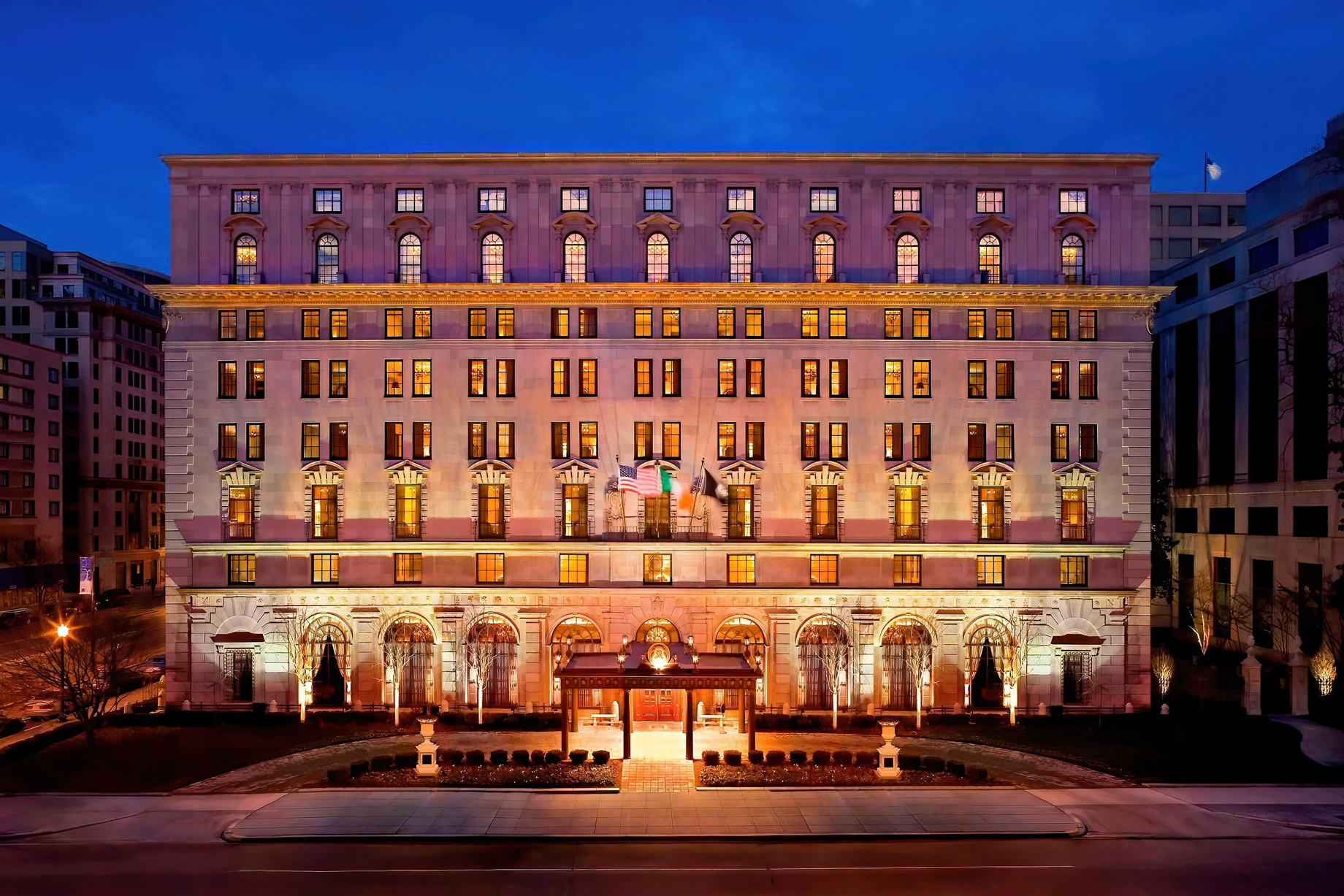
Poland is home to a variety of hotel chains that cater to both business and leisure travelers. These hotel groups not only offer comfortable accommodations but also provide a range of amenities and services that enhance the guest experience. This landscape of hotels reflects the growing tourism industry in Poland, offering options for every type of visitor. In examining the popular hotel chains in Poland, we can identify key players known for their quality and service.
Each chain has its unique offerings, and understanding these can help travelers make informed decisions about their stays.
Major Hotel Chains Operating in Poland
Several major hotel chains have established a strong presence in Poland, attracting a mix of local and international travelers. The following are some of the key hotel chains:
- Marriott International: Known for luxury and comfort, Marriott hotels in Poland provide high-end amenities, spacious rooms, and exceptional dining experiences. Properties often feature fitness centers and conference facilities, catering well to business travelers.
- Hilton Hotels: Hilton offers a blend of luxury and accessibility across its various brands, including Hilton Garden Inn and DoubleTree. Their hotels typically include modern amenities, complimentary Wi-Fi, and dining options that reflect local cuisine.
- AccorHotels: This group includes brands like Novotel, Mercure, and Ibis, which offer a range of budget to mid-scale accommodations. Guests appreciate the consistency of service and amenities across Accor properties, including business services and family-friendly options.
- Radisson Hotel Group: With a focus on upscale and upper midscale segments, Radisson provides stylish accommodations with amenities such as wellness centers and meeting facilities. Their loyalty program is well-regarded among frequent travelers.
- Best Western: A popular choice for budget-conscious tourists, Best Western hotels offer a reliable standard of service. Many locations provide complimentary breakfast and free Wi-Fi, making them a favorite for families and budget travelers.
Comparison of Services and Amenities
When comparing the services and amenities offered by these popular hotel chains, certain trends emerge. Many chains emphasize customer comfort and convenience, with amenities tailored to enhance the guest experience.
- Most hotels offer free Wi-Fi, a crucial service for both leisure and business travelers.
- Fitness centers and pools are common, especially in mid-range to luxury hotels, promoting health and wellness during travel.
- Dining options vary, with upscale hotels providing fine dining experiences while budget hotels focus on complimentary breakfasts.
- Room quality and size can differ significantly; luxury hotels provide spacious rooms with premium furnishings, while budget options maximize efficiency and value.
Customer Satisfaction Ratings
Customer satisfaction ratings are a vital indicator of a hotel chain’s performance and guest experience. Chains that prioritize guest services tend to receive higher ratings.
- Marriott consistently ranks high for service quality and cleanliness, often receiving scores above 8.5 out of 10 from guests.
- Hilton’s loyalty program contributes to strong customer satisfaction, with frequent guests appreciating personalized services and amenities.
- AccorHotels scores well among budget travelers, with Ibis and Novotel receiving positive feedback for value and consistency.
- Radisson also garners favorable reviews, particularly for its attentive staff and well-maintained facilities.
- Best Western’s ratings reflect its reliability, with many guests noting the predictability of services across locations.
“The key to success in the hotel industry is not just meeting expectations, but exceeding them.”
Unique Accommodation Options in Poland

Poland offers a diverse range of unique accommodation options that cater to various tastes and budgets. From cozy guest houses to trendy hostels and charming Airbnb rentals, travelers can find something that suits their needs while experiencing the local culture more intimately. Choosing alternative lodging can enhance your travel experience in Poland, allowing for a more personalized stay.Non-traditional hotels often provide unique atmospheres and amenities that conventional hotels may lack.
For instance, staying in a guest house can offer a chance to engage with local hosts, while hostels can provide a vibrant social scene for meeting fellow travelers. Airbnb rentals allow for flexibility and a homely environment, often located in residential neighborhoods that offer a different perspective of Polish life.
Overview of Unique Accommodations
A variety of alternative lodging options can be found across Poland, each with its own character and price range. Below is a table featuring several unique accommodations, along with their amenities and price ranges. This comparison helps travelers make informed decisions based on what they value most in their stay.
| Accommodation Type | Amenities | Price Range (per night) |
|---|---|---|
| Hostel | Shared dorms, communal kitchen, social activities | $15 – $50 |
| Guest House | Private rooms, local cuisine, cozy atmosphere | $30 – $80 |
| Airbnb Rental | Kitchens, laundry facilities, unique styles | $40 – $150 |
| Boutique Hotel | Stylish decor, personalized service, breakfast included | $80 – $200 |
| Farm Stay | Home-cooked meals, nature access, rural charm | $50 – $120 |
Exploring these unique options brings various benefits to travelers. Staying in a hostel can be budget-friendly and provide opportunities to meet new people, while guest houses often come with warm hospitality and local insights. Airbnb rentals often provide a home-like experience, allowing visitors to cook their meals and enjoy a more intimate environment.
Choosing non-traditional accommodations can lead to a richer, more authentic travel experience, fostering connections with local culture and communities.
Seasonal Trends in Hotel Bookings
Poland’s diverse landscape and rich cultural heritage attract visitors year-round, but certain times of the year see a significant spike in tourist activity. Understanding these seasonal trends can be crucial for travelers looking to secure the best hotel arrangements. Each season brings distinct characteristics that influence hotel availability and pricing, making it essential to be aware of these patterns when planning a visit.Summer and winter are the peak tourist seasons in Poland.
The summer months, particularly June through August, are filled with travelers eager to explore the country’s beautiful cities, from Warsaw to Kraków, and enjoy outdoor activities in places like the Tatra Mountains. This influx of tourists leads to higher hotel occupancy rates, often resulting in increased prices. Conversely, winter, especially around the Christmas holidays and ski season (December to February), attracts visitors for its festive markets and snowy landscapes.
Strategies for Booking Hotels During High-Demand Periods
Booking a hotel during peak tourist seasons can be challenging, but with a few smart strategies, travelers can increase their chances of securing a great deal. Here are some effective techniques:
- Book Early: Many hotels offer early bird discounts for those who reserve their rooms well in advance. This can save travelers a significant amount compared to last-minute bookings.
- Be Flexible with Dates: If possible, adjust your travel dates to avoid the busiest weekends and holidays. Mid-week stays are often more affordable than weekends.
- Use Price Comparison Tools: Websites that allow travelers to compare prices across different hotels can help identify the best deals and available options.
- Consider Alternative Accommodations: Looking into hostels, guesthouses, or vacation rentals can provide unique experiences and may be less crowded than traditional hotels.
- Sign Up for Alerts: Many travel websites allow users to set alerts for price drops, ensuring they don’t miss out on a good deal when it becomes available.
Off-Peak Advantages for Travelers Seeking Quieter Experiences
Traveling during off-peak seasons offers numerous advantages for those looking to avoid the hustle and bustle of busy tourist spots. The quieter atmosphere allows for a more relaxed experience, enabling travelers to truly soak in the local culture without the distractions of large crowds.Visitors in off-peak seasons—typically late fall (September to November) and early spring (March to May)—often find lower prices and increased availability in hotels and attractions.
This allows for more personalized service, as staff can dedicate more time and attention to each guest. Additionally, popular sites like Wawel Castle or the Auschwitz-Birkenau Memorial often have shorter lines, making visits more enjoyable.
Traveling during off-peak times not only saves money but also enhances the overall travel experience with a slower pace and deeper connections to local culture.
Factors Influencing Hotel Choice in Poland
When it comes to selecting a hotel in Poland, travelers consider a variety of factors that can significantly impact their experience. Understanding these factors can help hotel operators better cater to their diverse clientele and enhance guest satisfaction. Key considerations typically include location, price, services offered, and more. Among the most critical factors influencing hotel choice in Poland, the following stand out for various demographics:
Key Factors Affecting Hotel Selection
Location plays a pivotal role in the decision-making process for travelers. Proximity to attractions, public transport, and business districts can heavily sway a guest’s choice. Price sensitivity is another essential factor, often influenced by the traveler’s budget and purpose of the stay. Services and amenities offered, such as free Wi-Fi, breakfast options, and parking facilities, can also be determining factors.
- Location: Choosing a hotel in a central area can save time and enhance the travel experience for all types of travelers. Families often look for proximity to family-friendly activities, while business travelers prioritize access to meeting places and transport links.
- Price: Budget-conscious travelers, such as students and families, are typically more sensitive to pricing and may prioritize deals and discounts. Conversely, luxury travelers may be more inclined to pay a premium for exclusive services and experiences.
- Services: Families might seek hotels with family rooms and kid-friendly amenities, whereas solo travelers could prioritize social opportunities, such as communal spaces or organized events.
- Online Reviews: The significance of online reviews cannot be overstated. Travelers often rely on platforms like TripAdvisor, Booking.com, or Google Reviews to assess the quality and reliability of a hotel before making a booking decision. Positive reviews can bolster a hotel’s reputation, while negative feedback can deter potential guests.
Demographic Variations in Hotel Preferences
Different demographics exhibit distinct preferences when choosing hotels in Poland. Families usually gravitate towards hotels that offer spacious accommodations and recreational facilities. In contrast, solo travelers often prefer hostels or boutique hotels that foster a sense of community. Business travelers typically opt for hotels with efficient check-in processes and business services like meeting rooms or high-speed internet.
- Families: Generally value amenities that cater to children, such as play areas and family packages, along with safety features like 24-hour security.
- Solo Travelers: May prioritize options that allow them to meet fellow travelers, such as shared rooms or social events organized by the hotel.
- Business Travelers: Look for hotels with reliable internet access, proximity to corporate offices, and facilities for conducting meetings.
“Online reviews have become the modern word-of-mouth, shaping perceptions and influencing choices significantly.”
The Role of Online Reviews
Online reviews have revolutionized how travelers evaluate hotels before booking. This feedback from past guests offers a glimpse into the hotel’s quality and service, often outweighing traditional marketing efforts. Many travelers read multiple reviews to gauge consistency in service and to confirm that the hotel meets their specific needs. In the competitive landscape of the Polish hotel industry, managing online reputation is crucial.
Hotels that actively respond to reviews, both positive and negative, demonstrate their commitment to guest satisfaction and can significantly improve their chances of attracting new customers. In summary, the choice of hotel in Poland is influenced by a combination of location, price, services, demographic preferences, and the pivotal role of online reviews. These factors work together to create an informed decision-making process for travelers seeking the perfect stay.
Local Attractions Near Hotels in Poland
Poland is a country rich in history, culture, and natural beauty, making it a popular destination for tourists. Many hotels are strategically located near major attractions, allowing visitors to explore the best of what cities like Warsaw, Kraków, and Gdańsk have to offer. The convenience of nearby attractions often influences travelers’ hotel choices, making it essential to consider these options when planning a stay.Staying close to local attractions not only saves time but also enhances the travel experience by providing easy access to cultural sites, restaurants, and entertainment venues.
Tourists often prefer hotels that make it easy to visit famous landmarks, museums, and parks, ensuring a memorable trip without the hassle of long commutes.
Popular Attractions and Nearby Hotels
Here’s a look at some popular hotels in major Polish cities and the attractions located nearby, along with their distances. This table showcases how close visitors can stay to renowned points of interest.
| City | Hotel Name | Nearby Attraction | Distance (km) |
|---|---|---|---|
| Warsaw | Hotel Bristol | The Royal Castle | 1.0 |
| Kraków | Radisson Blu Hotel | Wawel Castle | 0.8 |
| Gdańsk | Hilton Gdańsk | The Long Market | 0.5 |
| Wrocław | Hotel Monopol | Wrocław Market Square | 0.6 |
| Poznań | Sheraton Poznań | Old Market Square | 1.2 |
The proximity to popular attractions significantly impacts hotel selection. Travelers often prioritize hotels that minimize travel time to iconic sites, leading to a more enjoyable and leisurely experience. For instance, a hotel just a short walk from a cultural landmark allows guests to immerse themselves in the local atmosphere without the stress of transport logistics. In essence, choosing a hotel near major attractions can be a game changer for visitors to Poland, offering convenience and maximizing their time spent exploring the country’s rich heritage and vibrant culture.
Dining Options in Polish Hotels
Poland’s vibrant culinary scene is reflected in the dining options available at its hotels. Whether you’re staying in a luxurious establishment or a cozy boutique hotel, you can expect a variety of dining facilities that cater to different tastes and preferences. Most hotels offer on-site restaurants, cafes, and bars, each serving a range of local and international cuisine.Hotel restaurants often feature traditional Polish dishes, providing guests a chance to experience the rich flavors and cultural heritage of the country.
Common offerings include pierogi (dumplings), bigos (hunter’s stew), and zurek (sour rye soup). Many hotels also emphasize fresh, locally-sourced ingredients, creating seasonal menus that highlight the best of Polish gastronomy.
Hotels Known for Exceptional Dining Experiences
Several hotels in Poland stand out for their remarkable dining options, combining fine cuisine with a unique atmosphere. Here are some notable examples:
- Hotel Bristol, Warsaw
-Renowned for its elegant restaurant, the hotel serves Polish and international dishes crafted by top chefs, complemented by an extensive wine list. - Hotel Monopol, Wrocław
-This hotel features a stylish restaurant that offers creative interpretations of Polish classics alongside a cozy bar for casual dining. - Hotel Sheraton, Kraków
-Known for its panoramic views of the Wawel Castle, the hotel’s dining venue serves a mix of local flavors and contemporary dishes in a sophisticated setting. - Radisson Blu, Gdańsk
-This hotel boasts a restaurant that showcases fresh seafood along with traditional Polish cuisine, making it a favorite among locals and tourists alike. - Grand Hotel, Sopot
-Offers a premium dining experience with a focus on seasonal ingredients, featuring a menu that highlights both Polish and Mediterranean influences.
These hotels not only provide comfortable accommodations but also elevate the dining experience, making your stay in Poland both enjoyable and memorable.
Tips for Booking Hotels in Poland
When preparing for a trip to Poland, securing the right hotel can significantly enhance your experience. With an array of choices available, navigating the booking process wisely is essential for finding the best deals and ensuring a pleasant stay. This guide offers practical tips focused on maximizing your hotel booking experience in Poland, highlighting key factors to consider for your upcoming adventure.Understanding how to approach hotel bookings is crucial, particularly when weighing the pros and cons of direct reservations versus third-party platforms.
Many travelers overlook the advantages of booking directly through hotel websites, which can sometimes offer exclusive deals, better flexibility, and enhanced customer service. Knowing what to look for can make a significant difference.
Advantages of Direct Booking
Booking directly through hotel websites often comes with several benefits that third-party platforms may not provide. Here are key advantages to consider:
- Exclusive Discounts: Many hotels offer lower rates or special promotions for guests who book through their official sites.
- Better Flexibility: Direct bookings often allow for more favorable cancellation policies and modifications compared to third-party sites.
- Loyalty Programs: Joining a hotel’s loyalty program can yield rewards such as free nights, upgrades, or complimentary services.
- Personalized Service: Hotels are more likely to accommodate special requests or preferences for direct bookings.
- Transparency: Direct booking ensures all fees and policies are clearly Artikeld, reducing the risk of hidden charges.
Checklist for Hotel Reservation Criteria
Before confirming a hotel reservation in Poland, it’s wise to evaluate several essential criteria to ensure your stay meets your expectations. The following checklist can guide your decision-making process:
- Location: Ensure the hotel is conveniently located near the attractions you plan to visit, such as historical sites, restaurants, and transport links.
- Price: Compare prices across different platforms but prioritize direct booking benefits.
- Amenities: Look for crucial amenities like Wi-Fi, breakfast options, parking facilities, and recreational services that fit your needs.
- Reviews: Check guest reviews on multiple platforms to gauge the hotel’s service quality and overall experience.
- Room Features: Confirm room types, sizes, and any special features like balconies, views, or kitchen facilities.
- Safety and Cleanliness Standards: Research the hotel’s cleanliness practices and safety measures, especially in light of recent global health concerns.
“A well-planned hotel booking can lead to an enriching travel experience, setting the tone for your Polish adventure.”
Safety and Hygiene Standards in Polish Hotels
The safety and hygiene standards in Polish hotels are crucial for ensuring guest well-being and comfort. With the growing emphasis on health regulations, particularly in the wake of global health events, hotels in Poland have implemented rigorous safety measures to protect their guests and staff. Compliance with these standards not only enhances the guest experience but also builds trust and credibility within the hospitality sector.Hotels in Poland must adhere to strict health and safety regulations set out by the Ministry of Health and local authorities.
These regulations include guidelines for cleanliness, sanitation, and the well-being of both guests and employees. Regular inspections are conducted to ensure compliance, and hotels are required to maintain detailed documentation of their health and safety practices.
Health and Safety Regulations
The health and safety regulations mandated for hotels in Poland encompass a wide range of practices aimed at minimizing health risks. Key regulations include:
- Regular Cleaning and Disinfection: Hotels are required to perform frequent cleaning and disinfection of high-touch areas such as door handles, elevators, and public restrooms.
- Staff Training: Employees must undergo training on hygiene protocols and the use of personal protective equipment (PPE) to ensure they are equipped to handle health-related situations.
- Guest Health Monitoring: Some hotels may implement health screening measures for guests upon check-in, including temperature checks and health questionnaires.
- Emergency Protocols: Establishing clear procedures for dealing with health emergencies, including isolation protocols and access to medical services.
Hygiene Practices Across Different Hotel Types
Hygiene practices can vary significantly among various types of hotels in Poland, influenced by their target market and operational scale. Luxury hotels often have comprehensive cleaning protocols that include:
- High-end, eco-friendly cleaning products.
- Advanced air filtration systems for improved air quality.
- Exclusive sanitization processes for common areas and suites.
Mid-range hotels might focus on:
- Standard cleaning services with an emphasis on high-contact surfaces.
- Regular inspections and staff accountability for cleanliness.
Budget hotels may implement:
Basic hygiene measures with a focus on cost-effectiveness, such as less frequent deep cleans but adherence to essential sanitation guidelines.
Measures for Guest Safety
Many Polish hotels have adopted innovative measures to enhance guest safety, particularly in response to recent global health challenges. These measures include:
- Contactless Check-in and Check-out: Utilizing technology to allow guests to check in and out using their mobile devices, minimizing physical contact with staff.
- Enhanced Air Quality: Installing advanced HVAC systems to ensure optimal ventilation and circulation of fresh air in guest rooms and common areas.
- Guest Quarantine Options: Providing designated areas for guests who may need to quarantine, ensuring they receive the necessary support while keeping others safe.
- Transparency in Cleaning Protocols: Many hotels now provide detailed information on their website regarding their cleaning procedures and safety measures, reassuring guests before they arrive.
Hotels in Poland are committed to maintaining high standards of safety and hygiene, making them trustworthy destinations for travelers. The focus on health regulations not only safeguards guests but also strengthens the overall reputation of the Polish hospitality industry.
Future Trends in the Polish Hotel Industry
As the Polish hotel industry evolves, several key trends are emerging that will shape its future. Factors such as sustainability, technological advancements, and changing traveler preferences are increasingly influencing how hotels operate and cater to guests. These trends are not only transforming guest experiences but are also pushing hotels to adopt new strategies for survival in a competitive market.One significant trend is the growing emphasis on sustainability.
Travelers are becoming more environmentally conscious, prompting hotels to implement eco-friendly practices. This includes using renewable energy sources, reducing waste, and offering locally sourced food options. According to recent surveys, over 70% of travelers in Poland prefer staying in hotels that demonstrate a commitment to sustainability. Many hotels are responding by obtaining green certifications, which not only appeal to eco-conscious guests but also help reduce operational costs in the long run.
Adoption of Technology in Hotels
The integration of technology into the hotel experience is rapidly changing how guests interact with accommodations. Hotels in Poland are increasingly adopting smart technologies to enhance guest comfort and convenience. Innovations such as mobile check-ins, keyless room entry, and in-room automation systems are becoming standard in many establishments.Furthermore, the use of artificial intelligence and data analytics is helping hotels personalize guest experiences.
For instance, AI-driven chatbots are now offering 24/7 customer service, assisting guests with everything from room service requests to local recommendations. This shift towards technology not only improves operational efficiency but also creates a more enjoyable experience for travelers.
Shift in Traveler Preferences
The preferences of travelers are shifting significantly, influenced by demographic changes and evolving lifestyles. Younger generations, particularly Millennials and Gen Z, prioritize unique experiences over traditional luxury. This has led to the rise of boutique hotels and alternative accommodations like glamping sites and hostels that offer a more personalized touch.In response, many hotels are adapting their offerings to capture this market segment by providing unique amenities such as co-working spaces, local culture experiences, and wellness programs.
For example, some hotels are organizing workshops or city tours that allow guests to immerse themselves in local culture, catering to the desire for authentic experiences.
Predictions for the Future
Looking ahead, the Polish hotel market is expected to witness significant growth driven by tourism recovery post-pandemic. The government’s investment in tourism infrastructure and promotion of Poland as a travel destination is likely to attract more international visitors. Additionally, a focus on sustainable practices and technological integration will position Polish hotels favorably in a competitive global landscape.By 2025, it is projected that the Polish hotel industry will continue to expand, with an anticipated increase in investments towards enhancing guest experiences and eco-friendly initiatives.
Major hotel chains are already planning to integrate more green technologies and practices, setting a benchmark for smaller establishments to follow.Given these dynamics, the Polish hotel industry is on a promising trajectory towards modernization and sustainability, paving the way for a future that caters to the demands of the modern traveler while remaining environmentally responsible.
Essential Questionnaire: Hotels In Polandia
What types of hotels are available in Poland?
Poland offers a range of hotels including luxury, boutique, budget, as well as unique accommodations like hostels and guest houses.
When is the best time to book hotels in Poland?
The best time to book hotels is during the off-peak seasons to secure lower prices and availability, typically in late fall and winter.
Are there any unique accommodation options in Poland?
Yes, options like Airbnb rentals, guest houses, and themed hotels are popular for those looking for a distinct experience.
How important are online reviews when choosing a hotel?
Online reviews are crucial as they provide insights into the experiences of other travelers, helping you make informed decisions about where to stay.
What safety measures do hotels in Poland implement?
Hotels in Poland follow strict hygiene regulations, including regular cleaning protocols and health measures to ensure guest safety.