
Hotels in Nigeria are becoming increasingly popular as travelers discover the rich culture and vibrant cities the country has to offer. From luxury accommodations to budget-friendly options, the Nigerian hospitality scene is diverse and caters to a wide range of preferences and needs. With major cities like Lagos and Abuja at the forefront, there’s no shortage of places to stay that provide comfort and convenience.
The hotel industry in Nigeria has a fascinating history, evolving significantly over the years to meet the demands of both local and international travelers. Today, the market is characterized by various types of hotels, each offering unique experiences that reflect the country’s culture and hospitality.
Overview of Hotels in Nigeria
The hotel industry in Nigeria has evolved significantly over the years, reflecting the country’s socio-economic changes and increasing global tourism interest. Initially, hotels in Nigeria were limited to basic accommodations catering primarily to expatriates and government officials. However, as the economy diversified and domestic tourism grew, a wider range of hotel offerings emerged, catering to various preferences and budgets.Current market trends in Nigeria’s hospitality sector indicate a blend of luxury and budget accommodations, adapting to the growing middle class and increasing international travel.
The rise of digital platforms for bookings has also changed how travelers engage with hotel services, making it easier for customers to compare options and read reviews. Additionally, sustainability and eco-friendly practices are gaining traction, with hotels looking to incorporate green technologies into their operations to attract environmentally conscious travelers.
Key Regions Known for Hotel Offerings
Several regions in Nigeria are recognized for their diverse and extensive hotel offerings, each with unique characteristics that appeal to different types of travelers. Understanding these regions can help potential guests make informed decisions about their accommodations.
- Lagos: As the commercial capital of Nigeria, Lagos boasts a wide array of hotels ranging from luxury five-star establishments to budget-friendly options. Notable areas include Victoria Island and Lekki, where many international hotel chains have established a presence.
- Abuja: The capital city features numerous hotels that cater to diplomats, business travelers, and tourists alike. Areas like Wuse and Maitama are particularly known for high-end hotels that offer excellent amenities.
- Port Harcourt: This city is a hub for the oil and gas industry, leading to a demand for quality accommodations. Hotels here cater to both business and leisure travelers, with options varying from upscale to mid-range.
- Calabar: Known for its rich cultural heritage and annual festivals, Calabar attracts tourists looking for both leisure and historical experiences. The region offers charming boutique hotels and eco-friendly lodges.
- Enugu: Enugu is an emerging destination for domestic tourism, with hotels that reflect the region’s hospitality and local culture. The hotel scene here is growing, focusing on comfort and authentic experiences.
“The Nigerian hotel industry is not just about providing a place to stay; it’s about creating memorable experiences that reflect the rich culture and diversity of the country.”
Types of Hotels Available
Nigeria is home to a diverse range of hotels catering to various preferences and budgets. From luxury resorts to cozy budget accommodations, the hotel landscape is vibrant and growing. Understanding the types of hotels available can help travelers make informed choices based on their needs and expectations.Hotels in Nigeria can typically be categorized into several types, each serving different demographics and offering unique features.
Below are the main types of hotels found across the country, along with their characteristics and target audiences.
Luxury Hotels
Luxury hotels in Nigeria provide premium services and high-end amenities, often designed to cater to affluent travelers. These hotels typically feature opulent furnishings, fine dining options, spas, and personalized services. They are often located in major cities and tourist destinations.
- Example: Eko Hotel and Suites, Lagos – A well-known luxury hotel offering elegant rooms, multiple restaurants, and extensive facilities including a pool and conference center.
- Target Demographic: Wealthy travelers, business executives, and tourists seeking an upscale experience.
Mid-range Hotels
Mid-range hotels offer a balance between comfort and affordability, making them suitable for both leisure and business travelers. These establishments provide essential amenities, such as free Wi-Fi, breakfast, and often have a restaurant on-site.
- Example: Protea Hotel by Marriott, Ikeja – This hotel features modern rooms, a fitness center, and a restaurant, appealing to both business and leisure travelers.
- Target Demographic: Middle-class families, business travelers, and tourists looking for quality service without breaking the bank.
Budget Hotels
Budget hotels are ideal for travelers who prioritize affordability over luxury. They offer basic accommodations and services, making them accessible to a wider audience. These hotels often provide simple rooms with essential amenities.
- Example: Ibis Styles, Lagos – A budget-friendly hotel featuring comfortable rooms and a convenient location, making it popular among budget-conscious travelers.
- Target Demographic: Backpackers, students, and travelers on a tight budget.
Boutique Hotels
Boutique hotels are characterized by their unique design, personalized services, and intimate settings. They often reflect local culture and offer distinct experiences that large chains cannot replicate.
- Example: The George, Lagos – A stylish boutique hotel that combines luxury with a personalized touch, offering a unique experience through its decor and services.
- Target Demographic: Travelers seeking unique experiences and personalized services, often appealing to couples and solo travelers.
Comparison Table of Hotel Types
The following table highlights the key features of different hotel types available in Nigeria:
| Hotel Type | Amenities | Price Range | Target Demographic |
|---|---|---|---|
| Luxury Hotels | High-end amenities, fine dining, spas | High | Affluent travelers, business executives |
| Mid-range Hotels | Comfortable rooms, free Wi-Fi, breakfast | Moderate | Middle-class families, tourists |
| Budget Hotels | Basic accommodations, essential amenities | Low | Students, budget travelers |
| Boutique Hotels | Unique design, personalized services | Moderate to high | Couples, solo travelers |
The variety of hotel options in Nigeria ensures that every traveler can find accommodations that fit their needs, whether they are looking for luxury, comfort, or affordability. Understanding these hotel types can greatly enhance the travel experience and ensure a satisfying stay in this vibrant country.
Popular Destinations for Hotel Stays
Nigeria is known for its vibrant culture, rich history, and diverse landscapes, making it a hub for both business and leisure travelers. With a growing hospitality industry, major cities in Nigeria offer a range of hotel accommodations that cater to different needs and preferences. This section explores some of the most popular destinations in Nigeria for hotel stays, highlighting key attractions and recommended hotels in each city.
Lagos
As Nigeria’s largest city, Lagos is a bustling metropolis that offers a mix of business opportunities and leisure experiences. The city is home to numerous hotels that provide convenient access to popular attractions such as the Lekki Conservation Centre, Nike Art Gallery, and the bustling markets of Balogun and Lekki. Here are some recommended hotels in Lagos along with their unique selling points:
- The Eko Hotel and Suites: A luxurious beachfront hotel known for its extensive conference facilities and vibrant nightlife. The hotel boasts a stunning pool area and offers views of the Atlantic Ocean.
- The Wheatbaker: An elegant boutique hotel located in the heart of Lagos, offering personalized service and a serene atmosphere. It features a world-class spa and a renowned restaurant.
-
: Situated along the waterfront, this hotel offers stylish rooms with modern amenities. Its proximity to the city’s business district makes it ideal for corporate travelers.
Abuja
Abuja, the capital city of Nigeria, is known for its modern architecture and well-planned layout. It is a hotspot for government officials and diplomats, but it also attracts tourists with its rich cultural sites such as the Aso Rock, the National Mosque, and the Nigerian National Museum. Recommended hotels in Abuja include:
- The Transcorp Hilton: A prestigious hotel offering luxurious accommodations and exceptional service. It features a beautiful outdoor pool and several fine dining options.
- Shangri-La Hotel: This hotel combines elegance with modern comfort, providing guests with a unique experience. It is renowned for its excellent spa services and diverse dining options.
- Fraser Suites Abuja: An ideal choice for long-term stays, offering serviced apartments with full kitchen facilities. It provides a blend of luxury and homely comfort.
Port Harcourt
Port Harcourt is an important industrial city in Nigeria, known primarily for its oil industry. The city offers a range of accommodations for business travelers and tourists alike. Attractions such as the Port Harcourt Tourist Beach and the National Museum of Nigeria are nearby. Recommended hotels include:
- Le Meridien Ogeyi Place: A sophisticated hotel that offers a blend of modern comfort and traditional hospitality. It features a stunning pool and a popular restaurant that serves local delicacies.
- Golden Tulip Port Harcourt: Known for its spacious rooms and high-end amenities, this hotel is perfect for both business and leisure travelers. It offers a well-equipped fitness center and a relaxing spa.
Enugu
Enugu, often referred to as the “Coal City,” is rich in history and culture. The city offers various attractions, including the Awhum Waterfall and the Ngwo Pine Forest. Recommended hotels in Enugu include:
- Hotel Presidential: A top-tier hotel known for its excellent service and luxurious amenities. It features a tennis court and an on-site restaurant that specializes in Nigerian cuisine.
- Oakland Hotel: A comfortable and budget-friendly option that offers clean accommodations and a friendly atmosphere. It is conveniently located near local attractions.
“Travelers in Nigeria can find a variety of hotels that cater to both luxury and budget preferences, ensuring an enjoyable stay in this diverse country.”
Amenities and Services Offered
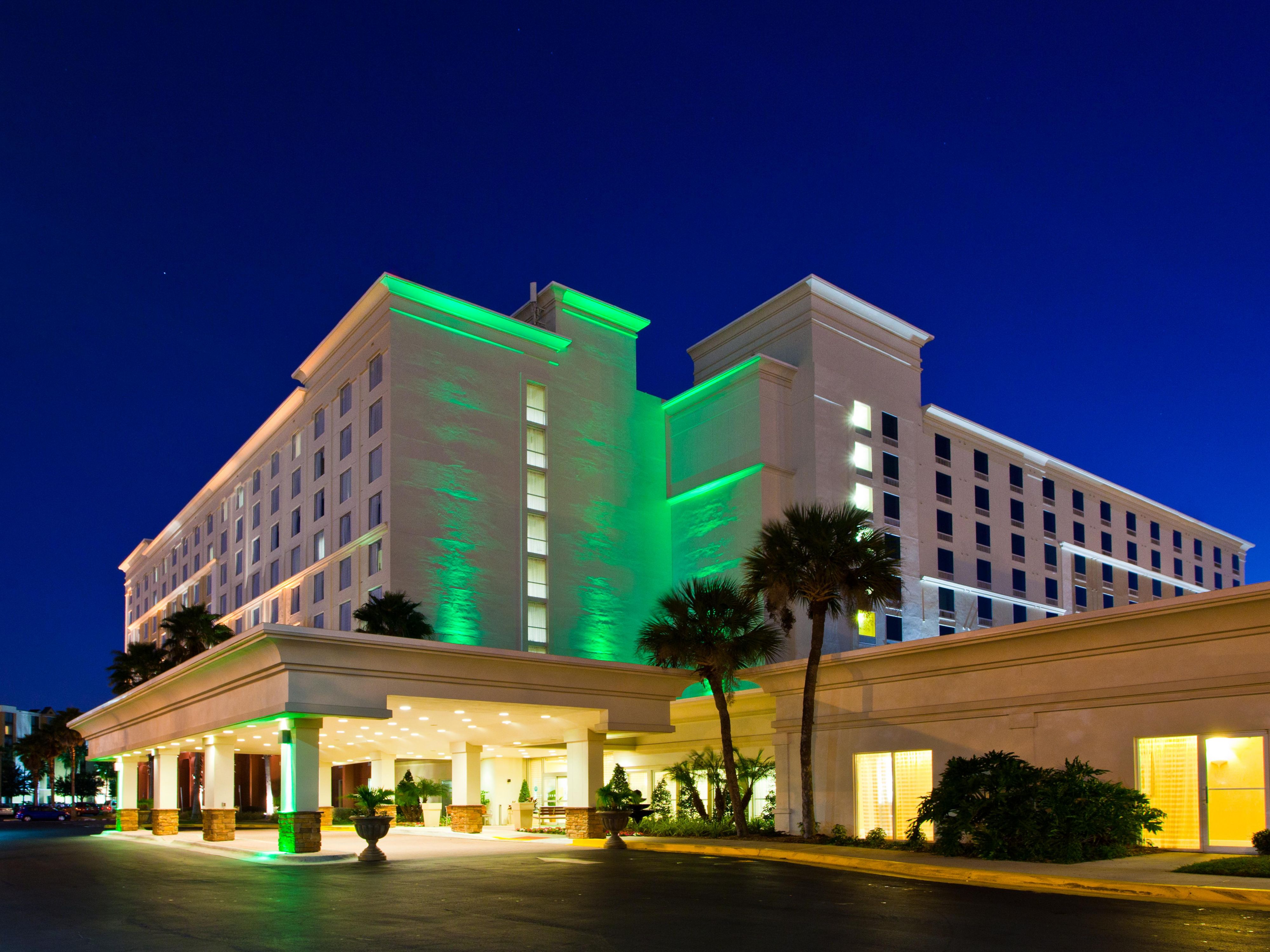
Hotels in Nigeria provide a wide array of amenities and services designed to enhance the guest experience. These offerings vary significantly across different hotel categories, from budget lodgings to luxury accommodations. Understanding what amenities are available can help travelers choose the right hotel that suits their needs and preferences.The significance of unique services offered by high-end hotels cannot be overstated.
These establishments often go beyond standard amenities to provide personalized experiences, ensuring that each guest feels valued and catered to. Whether it’s a complimentary breakfast, spa services, or airport transfers, the right services can elevate a stay from ordinary to extraordinary.
Common Amenities in Hotels
Many hotels in Nigeria share a set of common amenities that cater to the basic needs of travelers. These amenities are essential for comfort and convenience during a stay. Key amenities typically found in hotels include:
- Free Wi-Fi: Essential for both business and leisure travelers to stay connected.
- Air Conditioning: Provides comfort in the often humid Nigerian climate.
- 24-Hour Front Desk: Ensures assistance is available at any time, enhancing safety and convenience.
- Room Service: Offers guests the luxury of dining in the comfort of their rooms.
- Parking Facilities: Important for guests traveling by car, often with secure options available.
Unique Services in High-End Hotels
High-end hotels in Nigeria distinguish themselves by offering unique services that create memorable experiences for guests. These could range from personalized concierge services to exclusive access to local attractions. Some notable services include:
- Spa and Wellness Centers: Providing relaxation and rejuvenation through various treatments and therapies.
- Fine Dining Restaurants: Offering gourmet cuisine prepared by renowned chefs, often featuring local and international delicacies.
- Personal Concierge Services: Assisting guests with tailored recommendations and arrangements for activities or transportation.
- Luxury Transportation: Options such as chauffeur-driven cars for airport pickups and local travel.
- Exclusive Event Spaces: High-end hotels often have venues for weddings, conferences, and special events, with dedicated planning services.
Amenities Comparison Across Hotel Categories
To better understand the differences in amenities offered by various hotel categories, the following table illustrates typical amenities found in budget, mid-range, and luxury hotels:
| Category | Common Amenities | Unique Services |
|---|---|---|
| Budget Hotels | Free Wi-Fi, Air Conditioning, 24-Hour Front Desk, Basic Room Service | Limited unique services |
| Mid-Range Hotels | All budget amenities plus Parking, Mini-Bar, Fitness Center | Concierge services, Breakfast Buffets |
| Luxury Hotels | All mid-range amenities plus Spa, Fine Dining, Enhanced Room Service | Personal Concierge, Luxury Transportation, Exclusive Event Spaces |
“The right amenities and services can transform your stay into an unforgettable experience.”
Booking and Reservation Processes

Booking a hotel in Nigeria can be a straightforward process when you know the steps involved. With numerous accommodations available, from luxury hotels to budget-friendly options, understanding how to navigate the reservation landscape can enhance your travel experience. Here’s a closer look at the steps typically involved in securing a hotel room in Nigeria.
Steps to Book a Hotel
The process of booking a hotel generally includes several key steps:
1. Research
Start by identifying your preferred hotel type based on your budget, location, and amenities. Online reviews can provide valuable insights into the experiences of previous guests.
2. Compare Prices
Use multiple platforms to compare prices for the same hotel. Often, different websites may offer varying rates for the same accommodation.
3. Select Dates and Room Type
Choose your check-in and check-out dates, and specify the type of room you desire. Make sure to check for any special offers or packages available during your stay.
4. Check Availability
After selecting your dates and room type, check the hotel’s availability to ensure they can accommodate your request.
5. Input Guest Information
Provide necessary details such as your name, contact information, and any special requests you may have.
6. Payment
Depending on the platform or hotel policy, you may need to provide payment information at the time of booking. Some hotels allow you to pay upon check-in, while others require prepayment.
7. Confirmation
Once your reservation is complete, you should receive a confirmation email. Keep this handy, as it serves as proof of your booking.
Popular Online Platforms for Hotel Reservations
When it comes to booking hotels in Nigeria, several online platforms are widely used. Each platform has its unique features and advantages. Here’s a list of popular options:
- Booking.com
- Hotels.ng
- Expedia
- TripAdvisor
- Airbnb
- Jumia Travel
These platforms not only allow you to view a wide range of accommodation options but also provide guest reviews, photos, and detailed descriptions of hotel amenities.
Tips for Securing the Best Rates
Finding the best hotel rates requires a bit of strategy and awareness of market trends. Here are some effective tips to help you secure the best deals:
Book Early
Many hotels offer discounted rates for early bookings. If you have your travel dates set, book as soon as possible to take advantage of lower prices.
Be Flexible with Dates
If your travel plans allow it, consider adjusting your travel dates. Prices can vary significantly based on the day of the week or the season.
Sign Up for Alerts
Many travel sites allow you to set up price alerts for specific hotels. This way, you can be notified when rates drop.
Use Loyalty Programs
Join hotel loyalty programs to earn points for future stays or receive member-only discounts.
Check for Discounts
Look for discounts related to your profession, military service, or memberships (like AAA). These can sometimes lead to significant savings.
“Booking at the right time and through the right platform can save you a considerable amount on your hotel stay.”
Customer Reviews and Experience
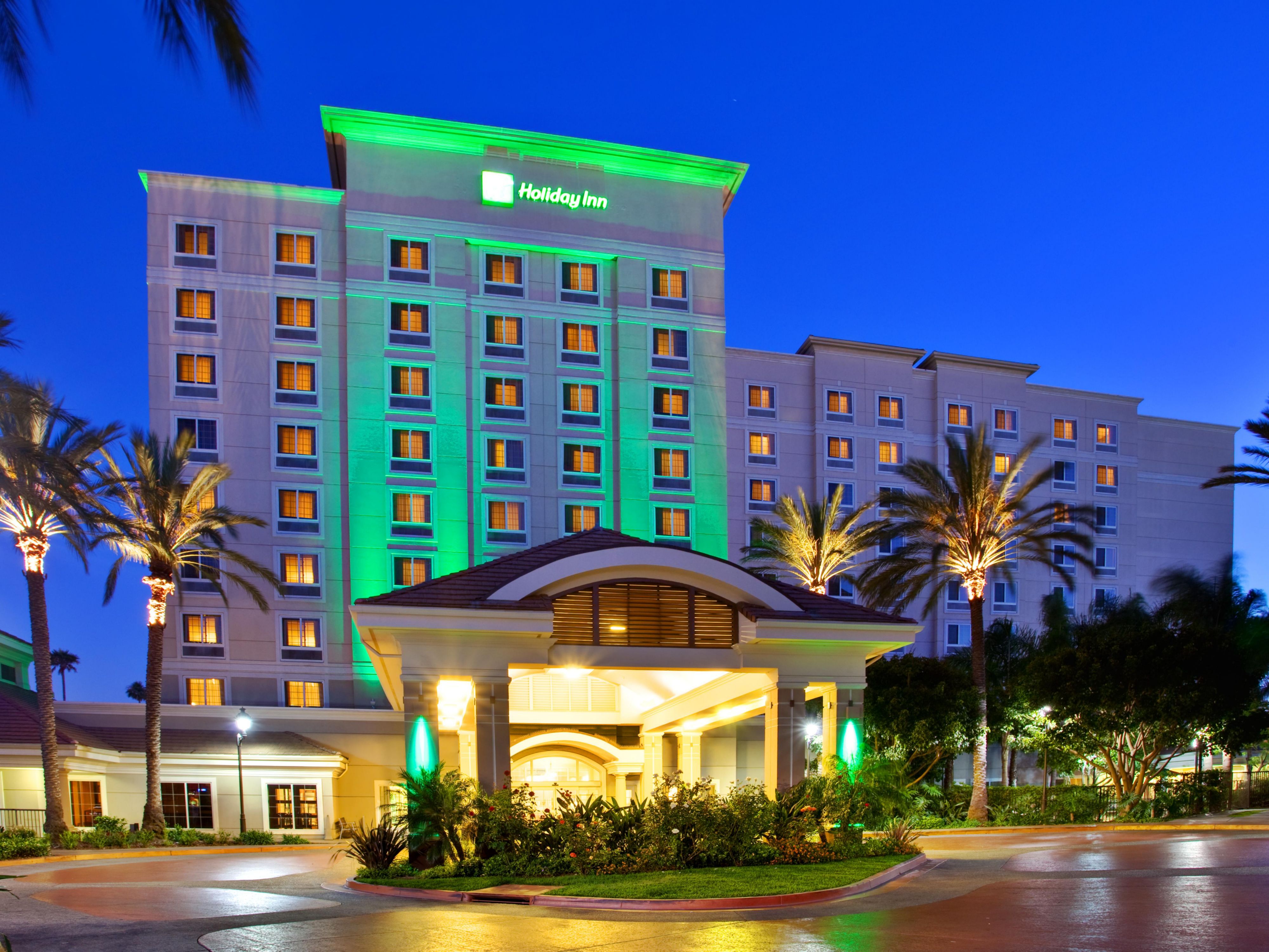
Customer reviews play a pivotal role in the hotel selection process, acting as a vital resource for potential guests. When travelers consider where to stay, they often turn to the experiences of others, looking for insights that can help them make informed decisions. In Nigeria, where the hospitality landscape is diverse and rapidly evolving, customer feedback can significantly influence a hotel’s reputation and its ability to attract new guests.Analyzing customer feedback reveals common themes that are frequently highlighted in reviews of Nigerian hotels.
Guests often share their thoughts on the cleanliness of the facilities, the quality of service, and the overall atmosphere of their stay. These recurring themes can provide valuable insights into the strengths and weaknesses of different hotels across the country.
Common Themes in Customer Feedback
Understanding the prevalent themes in customer reviews helps hotels identify areas for improvement. Some of the most commonly noted aspects include:
- Cleanliness: Many guests emphasize the importance of cleanliness in their reviews, often mentioning the condition of their rooms and common areas. A high standard of hygiene is essential for guest satisfaction.
- Staff Attitude: The demeanor and professionalism of hotel staff frequently come up in customer feedback. Positive interactions with staff can enhance a guest’s overall experience, while negative encounters can lead to disappointment.
- Amenities: Guests often comment on the availability and quality of amenities, such as Wi-Fi, pools, fitness centers, and dining options. These facilities play a significant role in shaping guest experiences.
- Location: The proximity of hotels to key attractions and city centers is a recurring theme. Reviews often mention whether a hotel is conveniently located for sightseeing or business needs.
- Value for Money: Many travelers assess whether their experience justifies the cost. Feedback often highlights whether guests felt they received adequate value based on the services provided.
Improving Guest Experiences Based on Reviews, Hotels in nigeria
Hotels can leverage customer feedback to enhance their services and overall guest experience. By focusing on areas that guests frequently mention in reviews, hotels can implement strategies for improvement. Some actionable steps include:
- Training Staff: Investing in regular training for staff members can improve service quality and ensure that guests feel welcomed and valued.
- Maintaining Cleanliness: Establishing stringent cleaning protocols and regular inspections can help maintain high cleanliness standards throughout the property.
- Enhancing Amenities: Continuously upgrading and diversifying amenities can cater to the evolving needs of guests, ensuring they have a pleasant and comfortable stay.
- Gathering Feedback: Encouraging guests to leave reviews and actively responding to them can help hotels identify emerging issues and demonstrate commitment to guest satisfaction.
- Offering Competitive Pricing: Regularly reviewing pricing strategies and ensuring that guests feel they are getting value for their money can help maintain a positive reputation.
Effective management of customer reviews can transform guest experiences and foster loyalty in a competitive hospitality market.
Challenges Facing the Hotel Industry
The hotel industry in Nigeria faces several challenges that hinder its growth and ability to provide top-notch service. From infrastructure issues to security threats, these obstacles can significantly affect operations and guest satisfaction. Understanding these challenges is crucial for stakeholders looking to enhance the hospitality experience in Nigeria.One of the primary challenges is inadequate infrastructure. Many hotels struggle with poor road conditions, unreliable electricity supply, and insufficient water resources, leading to higher operational costs and reduced guest comfort.
Security is another pressing concern, particularly in regions experiencing civil unrest or crime. Hotels must invest in safety measures to protect their guests, which can also strain their budgets.
Impact of Infrastructure Challenges
Inadequate infrastructure can lead to a range of operational issues for hotels, including:
- Increased Operational Costs: Hotels often have to invest in backup power systems and water supply solutions, which raises their overhead costs.
- Poor Guest Experience: Guests may face inconveniences like power outages or lack of clean water, ultimately affecting their overall satisfaction.
- Limited Accessibility: Poor roads can deter potential guests from visiting, especially in remote areas, impacting occupancy rates.
Impact of Security Challenges
Security concerns can deeply affect the hotel industry’s reputation and operational capacity. Here are some consequences:
- Declining Tourist Arrivals: High-profile security incidents can lead to a significant drop in international and domestic tourism.
- Increased Insurance Costs: Hotels may face higher insurance premiums to cover potential liabilities, further straining finances.
- Need for Enhanced Security Measures: Investments in surveillance and security personnel are necessary, which can divert funds from other critical areas.
Strategies for Overcoming Challenges
Despite these challenges, hotels can implement several strategies to enhance their operations and ensure guest safety and satisfaction:
- Invest in Infrastructure Improvements: Collaborating with local governments and other stakeholders to improve road access and utility services can benefit both hotels and the community.
- Implement Comprehensive Security Protocols: Establishing robust security measures, including well-trained staff and advanced technology, can help mitigate risks and reassure guests.
- Focus on Marketing and Branding: Developing strong marketing strategies that emphasize safety and quality can help attract visitors despite existing challenges.
In an industry where guest experience is paramount, addressing these challenges head-on can make a significant difference in a hotel’s success and reputation.
Future of Hospitality in Nigeria
The future of hospitality in Nigeria is set to evolve significantly as the sector adapts to global trends and local demands. With a growing middle class and an increase in domestic and international tourism, the landscape of hotels and accommodation in Nigeria is changing. Emerging technologies and innovative practices are paving the way for a more efficient and customer-friendly experience, which will undoubtedly shape how hotels operate in the coming years.As the hospitality sector develops, several emerging trends are likely to influence the operational and investment landscape.
Nigeria is witnessing an increasing demand for personalized services, eco-friendly practices, and the integration of technology in hospitality. These trends present unique opportunities for both existing players and new entrants in the market.
Emerging Trends in Hospitality
Several key trends are shaping the future of hotels in Nigeria, reflecting both global shifts and local preferences. These trends encompass a range of operational changes, customer expectations, and technological advancements.
- Sustainability Practices: Hotels are increasingly adopting eco-friendly initiatives, such as waste reduction programs, energy-efficient systems, and sourcing local products to minimize their carbon footprint. This not only attracts environmentally conscious travelers but also reduces operational costs.
- Digital Transformation: The use of mobile apps for booking, check-in, and room service is on the rise. Technologies like virtual reality for virtual tours and AI for personalized guest experiences are becoming more common.
- Health and Safety Standards: Post-pandemic, there is a heightened focus on hygiene. Hotels are implementing rigorous cleaning protocols and contactless services to ensure guest safety, which is now a top priority for travelers.
- Experiential Travel: Guests are increasingly seeking unique experiences rather than just a place to stay. This includes local cultural immersion, adventure tourism, and wellness retreats, encouraging hotels to diversify their offerings.
Potential Areas for Investment
Investment opportunities in Nigeria’s hospitality sector are abundant, fueled by the evolving market dynamics and consumer preferences. Stakeholders can explore several avenues for growth.
- Mid-range Hotels: With the rise of domestic tourism, there is a growing demand for affordable yet comfortable accommodations that cater to both business and leisure travelers.
- Technology Integration: Investing in technology solutions for improved customer service and operational efficiency can attract tech-savvy travelers and enhance guest experiences.
- Eco-friendly Developments: There is a lucrative market for eco-friendly hotels and resorts that appeal to environmentally conscious tourists.
- Luxury and Boutique Hotels: The demand for high-end and uniquely themed hotels is increasing, particularly in urban areas and tourist hotspots, representing a niche market with high profitability potential.
- Food and Beverage Experiences: Investments in unique dining experiences that celebrate local cuisine and culture can enhance the overall guest experience and drive additional revenue streams.
Innovative Practices in Global Hospitality
Globally, the hospitality industry is embracing innovative practices that significantly enhance guest experiences and operational efficiencies. These practices can be adapted and implemented in Nigeria.
- Personalization through Data Analytics: Hotels are using data analytics to tailor services and offers based on guest preferences and behaviors, allowing for a more personalized stay.
- Smart Room Technology: Features like automated lighting, climate control, and voice-activated assistants provide guests with convenience and comfort, elevating their experience.
- Virtual Concierge Services: Offering virtual concierge services via mobile apps enables guests to access hotel amenities and local attractions with ease, enhancing their stay.
- Community Engagement: Hotels are increasingly engaging with local communities by promoting local artisans and businesses, creating meaningful connections between guests and their destinations.
- Flexible Booking Policies: Adapting flexible cancellation and booking policies helps in building customer trust and loyalty, especially important in today’s uncertain travel landscape.
Questions Often Asked
What types of hotels are available in Nigeria?
Nigeria offers a variety of hotels, including luxury, budget, boutique, and guest houses, catering to different travelers’ needs.
Which cities in Nigeria are best for hotel stays?
Major cities like Lagos, Abuja, and Port Harcourt are known for their concentration of hotels and proximity to tourist attractions.
How can I book a hotel in Nigeria?
You can book hotels in Nigeria through popular online platforms, travel agencies, or directly on hotel websites.
What amenities can I expect from hotels in Nigeria?
Common amenities include free Wi-Fi, breakfast, room service, and some hotels offer unique services like spa treatments and guided tours.
Are there security concerns when staying in hotels in Nigeria?
While some areas face security challenges, many hotels prioritize guest safety with measures such as security personnel and access control.